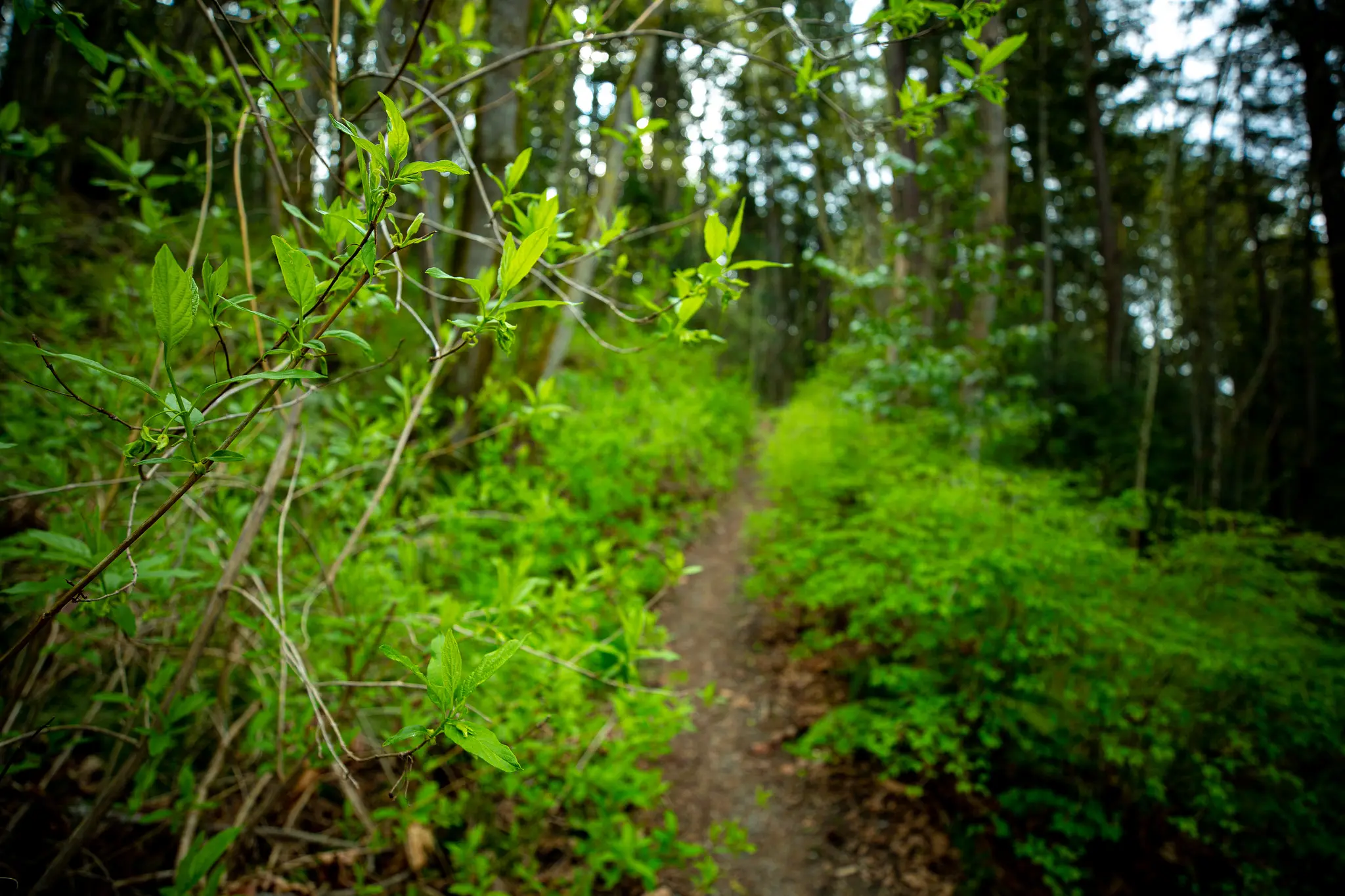
Geologic History of the Arboretum
The Swampland
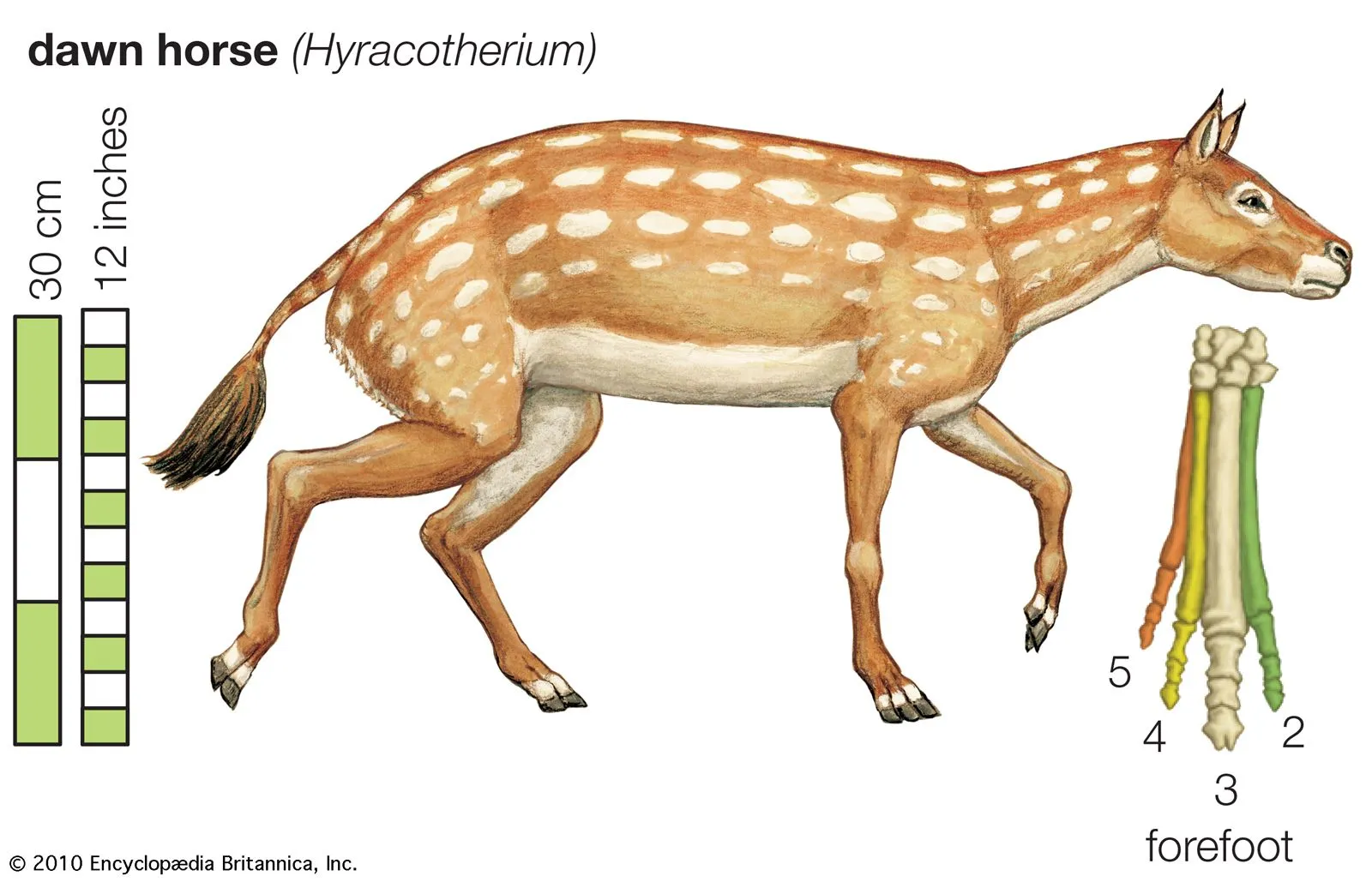
Picture yourself in a swampy wetland. The humidity in the air sits heavily on your chest, hair is frizzy or plastered to your head, and yet the beauty of the moss and foliage cannot be denied. No, you are not standing in the swamps of Louisiana, but in the Pacific Northwest over fifty million years ago, during the Eocene period. As you roam the swampland, you are disappointed that the dinosaurs are already gone, but Eohippus, also known as the Dawn Horse, and ancient relatives of the Tapir, are among your companions.
The Chuckanut Mountains are Born
What does an ancient swamp matter in the grand scheme of things? It’s not just a place Kermit the Frog hangs out. This swamp was imperative in the formation of the Chuckanut Mountains, which are part of the Cascades Range. Rocks and mineral formations gradually eroded into sediment and accumulated in this swampy river basin, which helped produce the majestic mountains we see today.

Present Day – The Arboretum
Now that time has shifted to the present day. You are at the foot of the Chuckanut Mountains. You look in awe at nearly four miles of sandstone minerals, with the sunlight sparkling off the crystalline grains. This awe-inspiring process began over fifty million years ago and hasn’t slowed down. Plate tectonics, a scientific term for how the earth’s crust is divided into "plates"" that move and shift over hundreds of millions of years, , sent these compounds on a journey across the Puget Sound, to the North Cascades foothills. These foothills include something dear to Bellingham residents' hearts, the Sehome Hill Arboretum.
The Journey Continues!
Alder Leaf Fossil
Remember the swamp you visited fifty million years ago? This is where ferns and palms were born. The murky swamp is the reason fossils of these plants can be found in the Arboretum. Plants and other forms of vegetation such as seeds, nuts, leaves, and even tree trunks sunk below the surface of the water and became buried by river sediment, forming fossils. One such fossil is the Alder leaf. Vegetation that was here long before you were even thought of, let alone born, has been preserved for you and your grand childrens children to enjoy.
Much like books can provide adventure and insight, so does hiking and exploring glorious rock formations like those in the Arboretum. You can learn about the variety of plants and animals that have thrived in the Sehome Hill Arboretum over time by visiting this majestic public park for yourself and researching its geology and history.